Many Brampton homes are busy ones. Grandparents, parents and children under one roof, a finished basement that someone lives in, bedrooms in use on every level. In a house like that, one cold floor is not a minor annoyance. It is somebody’s living space.
This guide goes through the house level by level, because each floor gets cold for a different reason.
The top floor: where attic insulation matters most
The complaint: bedrooms that are noticeably colder than the main floor, especially overnight.
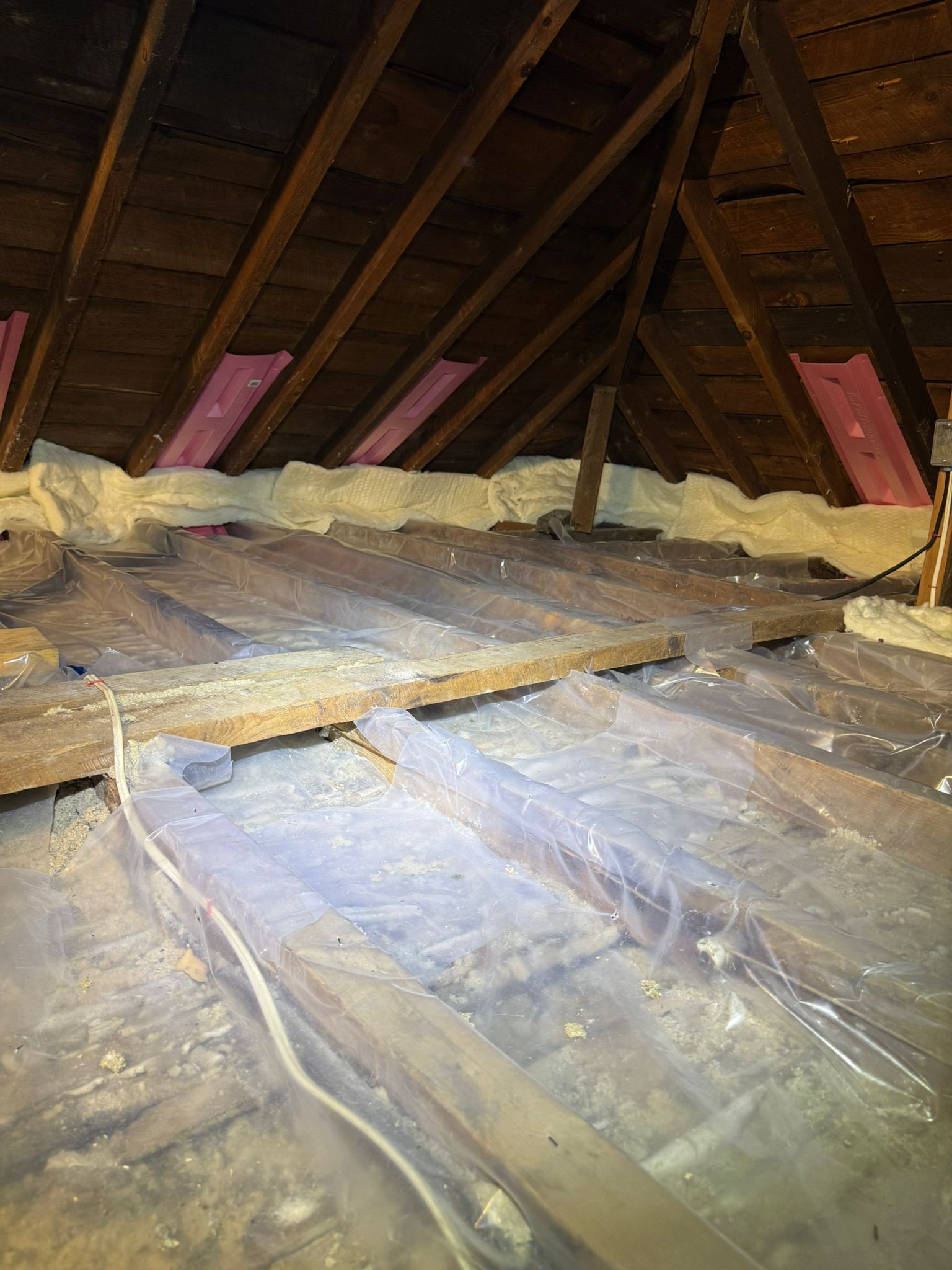
The cause: the ceiling above those rooms is the attic floor. If the insulation there is thin or patchy, heat passes straight through it. Large homes have a lot of ceiling, so the loss adds up. See why your big new home costs so much to heat.
The fix:
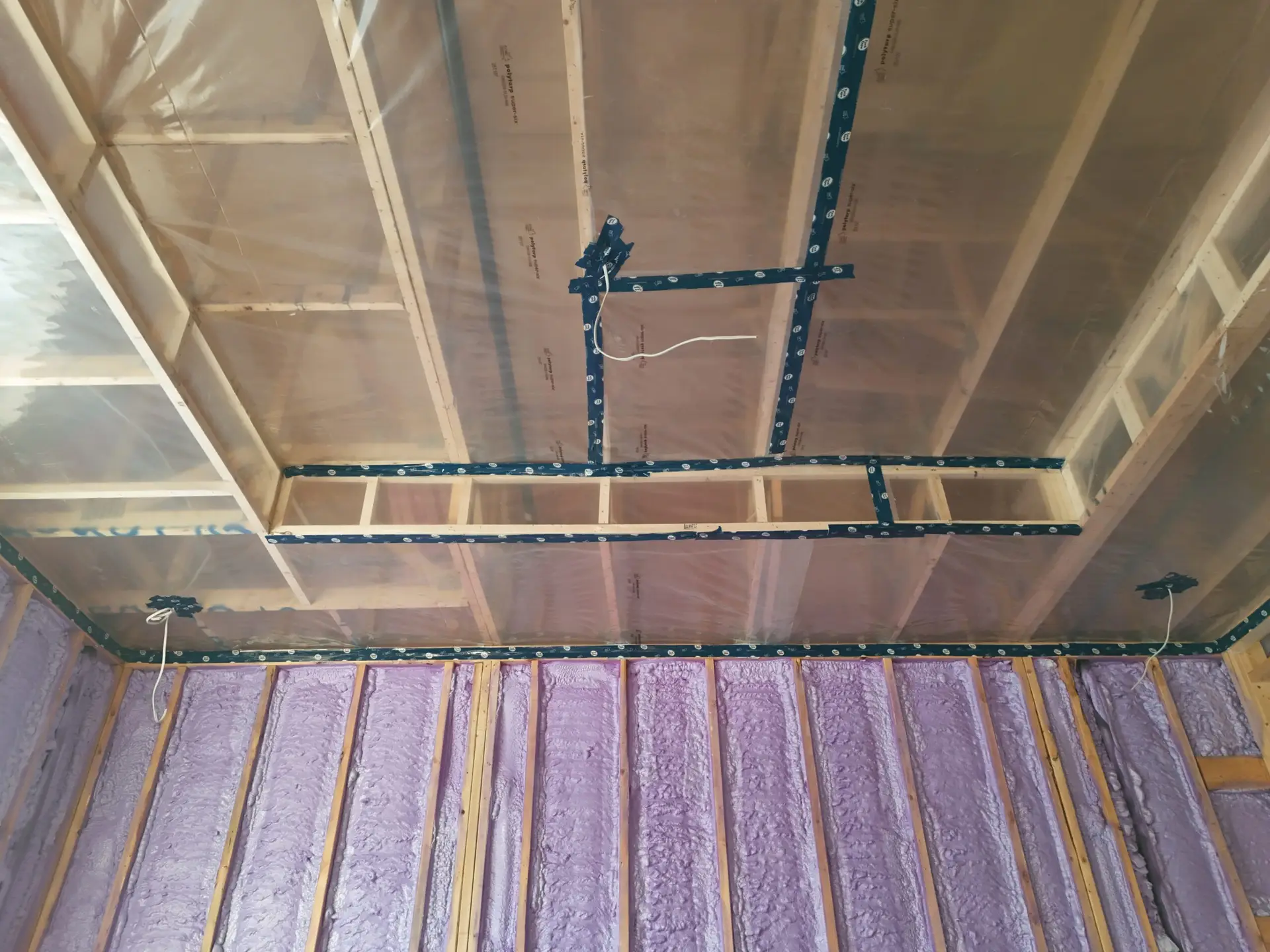
- Air seal the attic floor. Natural Resources Canada’s Roofs and attics guide says leaks around vents, plumbing pipes and electrical boxes can account for substantial heat loss.
- Top up with blown-in cellulose or fibreglass through our attic insulation service in Brampton.
- Fit baffles so the roof stays ventilated.
How much your attic has depends heavily on when the house was built. Read your attic’s insulation depends on which decade and how to check your insulation before winter.
The room over the garage
The complaint: one bedroom or bonus room that is always the coldest in the house.
The cause: its floor sits over an unheated garage.
The fix: garage ceiling insulation, sealed as well as insulated.
The main floor
The complaint: drafts near doors and windows, and cold floors along outside walls.
The cause: air leaking in low down to replace the warm air escaping at the top, plus an unsealed rim joist below.
The fix:
- Weatherstrip exterior doors and caulk window trim. Natural Resources Canada’s materials guide covers what to use.
- Seal the rim joist with spray foam insulation.
- For leakage throughout the house, look at AeroBarrier.
The basement
The complaint: a basement bedroom or suite that feels cold and slightly damp.
The cause: concrete walls with little insulation. Natural Resources Canada notes that basements can lose more heat than a typical attic.
The fix: insulate the foundation walls properly before or during finishing. 2 lb closed-cell spray foam handles moisture well, and blanket wrap insulation is an option for unfinished walls. See basements and in-law suites built for real living.
If noise travels between floors, Safe and Sound insulation can be added while ceilings or walls are open.
Why a full house needs more care with moisture
More people means more showers, more cooking and more laundry, all of which add moisture to the air. If that damp air leaks into a cold attic it condenses in the insulation. Make sure bathroom fans vent outdoors, and deal with any staining or mould early. See attic mould and insulation removal in Brampton, our removal service, and why more people under one roof means more at stake.
Savings and rebates
The U.S. EPA estimates an average 15% saving on heating and cooling from air sealing and adding insulation in attics, crawl space floors and basements (ENERGY STAR). It is a modelled figure for typical U.S. homes, so expect yours to differ.
When several areas of a house are upgraded together, rebates can sometimes be combined. See stacking a claim on a big family home and our energy rebate page.
Start with the coldest floor
Tell us which level is the problem and we will begin there. Contact us for an estimate.