Many Brampton homes are busy places. Larger families, multiple generations under one roof, and finished basements with extra living space are common in neighbourhoods like Springdale, Castlemore, Mount Pleasant, Sandalwood and Fletcher’s Meadow. More people means more showers, more cooking and more laundry, and all of that puts moisture into the air.
That moisture has to go somewhere. In a lot of Brampton homes, it ends up in the attic.
How Indoor Moisture Reaches the Attic
Warm air rises, and it carries water vapour with it. If there are gaps in your ceiling, that air flows up into the attic:
- Around pot lights and ceiling fixtures
- Through wiring and plumbing holes
- Around the attic hatch
- Through bathroom fans that vent into the attic or have loose ducts
Once in the attic, the moist air hits cold roof boards in winter and condenses. Without good ventilation, it stays there.
Season by Season in Brampton
Winter
The main season for attic moisture. Condensation forms and freezes on roof boards. Frost often concentrates above bathrooms and kitchens. Ice dams along the eaves show heat is escaping.
Spring
The frost melts. Stains appear around bathroom fans and pot lights. Upstairs rooms may smell musty. Many Brampton homeowners first notice the problem now.
Summer
Humid summer air trapped in a poorly ventilated attic keeps moisture levels high. Attic AC ducts that aren’t sealed and insulated can sweat.
Fall
The time to prepare: check bathroom fan ducts, clean eavestroughs, clear soffits and seal the attic hatch.
Lowering Moisture at the Source
Before any attic work, these simple habits reduce how much moisture reaches the attic:
- Run bathroom fans during showers and for 20 minutes after
- Use the kitchen range hood when cooking, and make sure it vents outside
- Vent clothes dryers fully outdoors
- Use a dehumidifier in finished basements
- Keep indoor humidity moderate in winter. If windows are dripping with condensation, it’s too high
How Attic Mould Is Treated
- Assess. Health Canada considers a mould area under about 1 square metre small. A single patch over about 3 square metres is large and should be handled by a qualified professional.
- Remove damaged insulation. Our attic insulation removal service in Brampton clears out wet or contaminated material.
- Clean the wood. Surface mould is cleaned and the wood dried. Rotted sheathing may need a roofer.
- Air seal. Seal ceiling penetrations and the hatch. AeroBarrier air sealing seals leaks across the whole home.
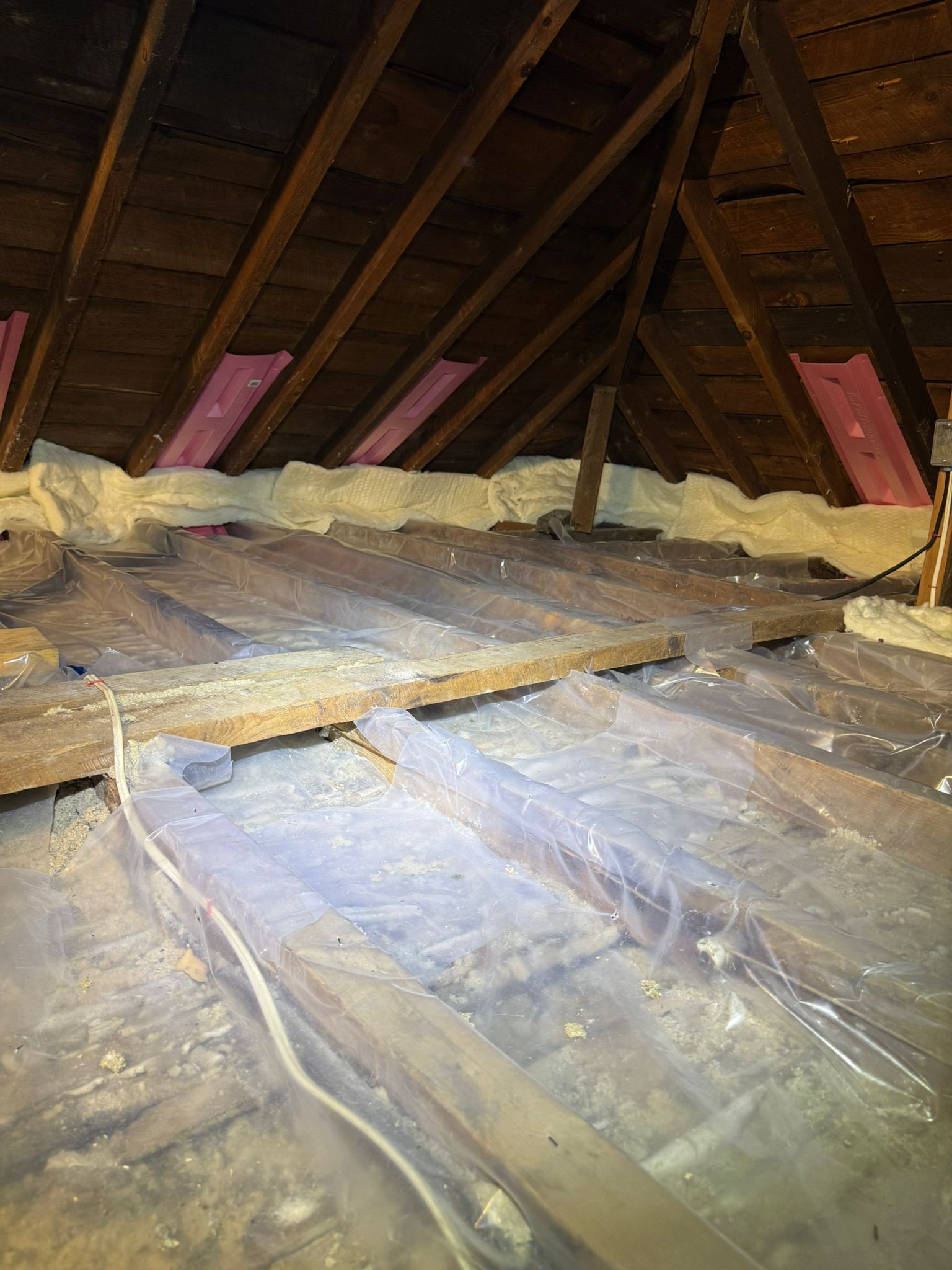
- Ventilate. Install baffles, reconnect or re-route fan ducts outdoors and add a vapour barrier where needed.
- Re-insulate. Choose cellulose blown-in, fibreglass blown-in or spray foam insulation. 2 lb closed-cell spray foam works well in cathedral ceilings and rooms over garages. See also garage ceiling insulation.
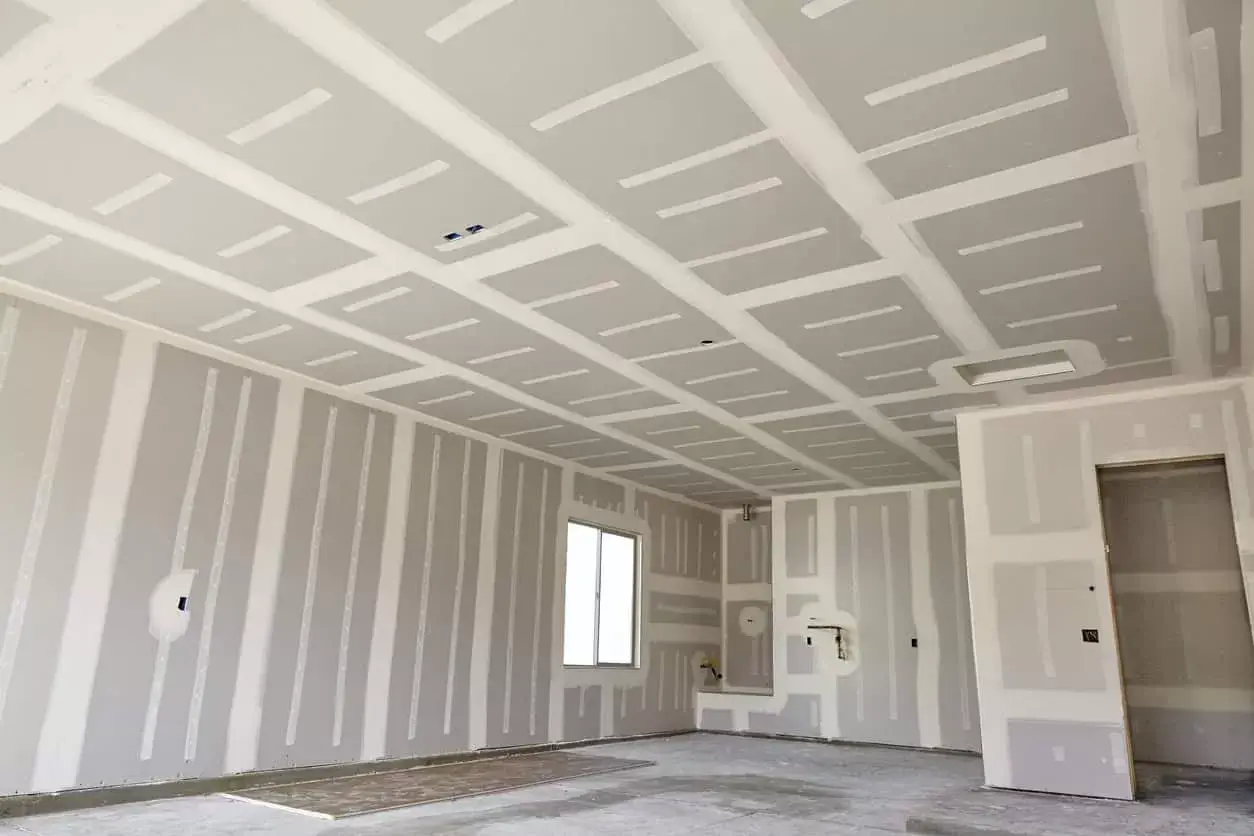
Replace damaged ceilings, and use moisture-resistant drywall in bathrooms, especially in busy households.
Prevention for Brampton Homes
- Reduce indoor moisture at the source
- Air seal the attic floor
- Keep soffit-to-roof airflow open
- Vent every fan outdoors and check ducts every few years
- Insulate to current levels (attic insulation in Brampton)
- Inspect in spring and fall
Upgrades may qualify for rebates. See our home renovation rebate page.
Frequently Asked Questions
Does a busy household cause attic mould?
More people create more indoor moisture. On its own that isn’t a problem, but combined with air leaks and poor ventilation it can lead to attic mould.
How long should I run my bathroom fan?
During your shower and for about 20 minutes afterward.
Why is the frost in my attic right above the bathroom?
That usually means the bathroom fan vents into the attic or its duct has come loose.